Are you worried about kitchen fire safety? Your countertop choice is critical, as some materials can be a hazard. What if your beautiful surface isn't as safe as you think?
Quartz stone slabs generally have a high fire resistance, achieving a Class A fire rating. This is because their main component, natural quartz, is non-combustible. This makes them a very safe option for kitchens and other applications where fire safety is a top concern.
Choosing the right material for a project goes beyond just looks and price. As someone who has been exporting building materials since 2012, I've seen how crucial safety standards are, especially for professionals like procurement managers who need to guarantee compliance. Fire rating is a major factor in these decisions. It's important to understand what these ratings mean and how they apply to the materials you choose. Let's explore what makes quartz a trusted option for fire safety.
What is the heat rating of quartz?
Worried a hot pan will ruin your new countertop? This common fear can make you second-guess your material choice, leaving you stressed about everyday kitchen use and potential damage.
Engineered quartz can typically withstand temperatures between 150-300°C. While it is heat-resistant, it's not completely heat-proof. Placing very hot items directly on the surface can cause discoloration or damage due to the resin binders, so using trivets is always recommended.
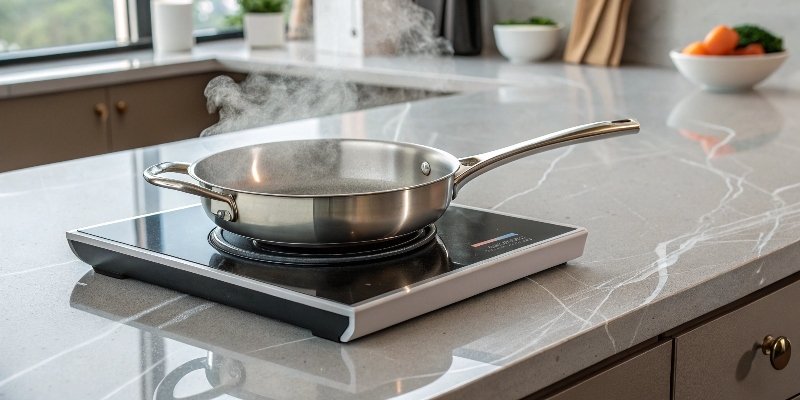
I remember talking with a procurement manager, Rajiv, who was sourcing for a large residential project in Mexico. He was very focused on durability and long-term value. His main concern was how the countertops would handle daily wear and tear, including heat. I explained that while quartz is tough, its heat resistance has limits because of the resin content, which is usually around 7-10%. This resin is what binds the quartz crystals together, but it's also the component most vulnerable to heat. Exposing it to extreme temperatures can cause thermal shock, leading to cracks or yellowing. For this reason, we always advise clients to use heat pads. This practical advice helps manage expectations and ensures the end-users are happy with their countertops for years. It's this kind of detailed knowledge that builds trust with partners like Rajiv, who need reliable information to make the best purchasing decisions.
Comparing Heat Resistance
To give a clearer picture, here’s how quartz stands up to heat compared to other common materials.
| Material | Typical Heat Resistance | Key Consideration |
|---|---|---|
| Quartz | Up to 150-300°C | Resin can be damaged by sudden high heat. |
| Granite | Very High | Can handle hot pans directly on the surface. |
| Marble | Moderate | Prone to scorching and staining. |
| Laminate | Low | Can melt or burn easily. |
What is the fire rating of a slab?
Struggling to understand what fire ratings mean for your project? The technical jargon can be confusing, making it hard to know if you are choosing a truly safe material.
A fire rating, like Class A, B, or C, measures how well a material resists fire and prevents flame spread. Class A is the highest rating, indicating a material is non-combustible and has a low flame spread, making it ideal for safety-critical applications.
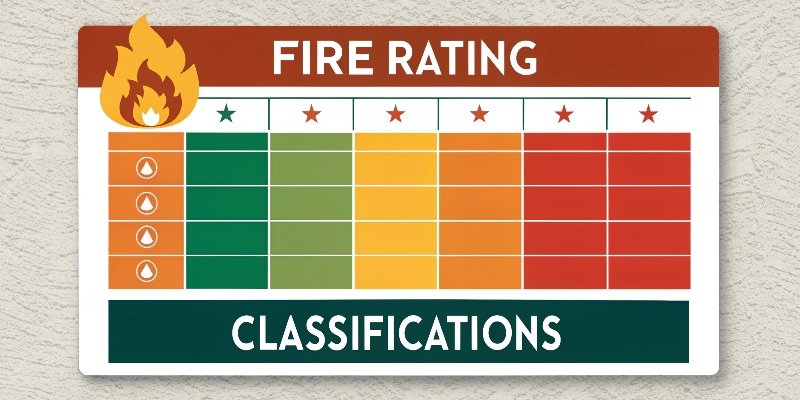
In my years of exporting quartz slabs from China, complying with international standards has been non-negotiable. Our products must meet the strict safety codes of markets in the EU and the US. A key standard is the Class A fire rating. Most of our quartz slabs achieve this rating under tests like ASTM E84 or EN 13501-1. This certification is not just a piece of paper; it's a guarantee of safety that clients like Rajiv depend on. When he evaluates suppliers, he’s not just looking for a good price; he is looking for proof of quality and safety compliance. Providing him with test reports and certifications for our Class A rated slabs gives him the confidence to choose our products for his projects, knowing they meet global safety benchmarks. This alignment with international standards is a core part of China's trade policy for high-value exports.
Understanding Fire Rating Tests
Different tests are used globally to determine a material's fire rating. Here are two of the most common ones.
| Standard | What It Measures | Typical Quartz Result |
|---|---|---|
| ASTM E84 | Flame Spread Index & Smoke Developed Index | Low values, qualifying for Class A. |
| EN 13501-1 | Reaction to fire performance | A1 or A2-s1, d0 (Non-combustible) |
Is quartz resistant to fire?
Is your chosen building material a fire risk? This question can cause a lot of anxiety, especially when you are responsible for the safety of a commercial or residential building.
Yes, quartz is highly resistant to fire. Its primary component is silica, which is non-combustible. Engineered quartz slabs will not ignite or sustain a flame, and they do not emit significant toxic fumes when exposed to high heat, making them a very safe choice.
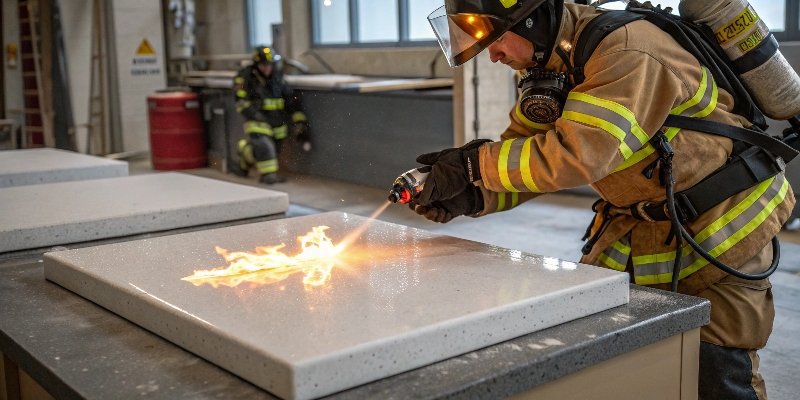
I often get asked this question directly by clients. They want a simple "yes" or "no." I always tell them yes, and then I explain why. The core of a quartz slab is over 90% natural quartz, which simply does not burn. The small amount of resin used as a binder might char at very high temperatures, but it won't catch fire and spread flames. This is a huge selling point, especially for projects in fire-prone areas or for applications like commercial kitchens and public buildings where safety regulations are strict. For a procurement manager overseeing multiple projects, specifying a material that is inherently fire-resistant simplifies compliance and reduces risk. This characteristic is heavily promoted by manufacturers, and under Chinese export policies, compliance with these safety features is encouraged to make our products more competitive globally. It’s a win-win: the client gets a safe, reliable product, and we build our reputation as a quality supplier.
Key Fire-Resistant Properties
Here's a breakdown of the features that make quartz a fire-resistant material.
| Property | Description | Benefit |
|---|---|---|
| Non-Combustible | The material itself does not burn. | Prevents fire from starting or spreading. |
| Low Flame Spread | If exposed to fire, it will not help the flames travel. | Contains the fire to its source. |
| Low Smoke Emission | Does not release large amounts of smoke. | Improves visibility and safety during an evacuation. |
| No Toxic Fumes | Does not release harmful gases when heated. | Reduces health risks during a fire. |
What is the fire rating of stone?
Thinking all stones offer the same fire safety? This misconception can lead to poor material choices, putting a project at risk if you pick a stone that doesn't meet safety codes.
Natural stone like granite and soapstone is inherently non-combustible and has a high fire rating. Engineered stones like quartz also have a high rating (typically Class A), but their fire resistance can be slightly lower than natural stone due to the added resin content.
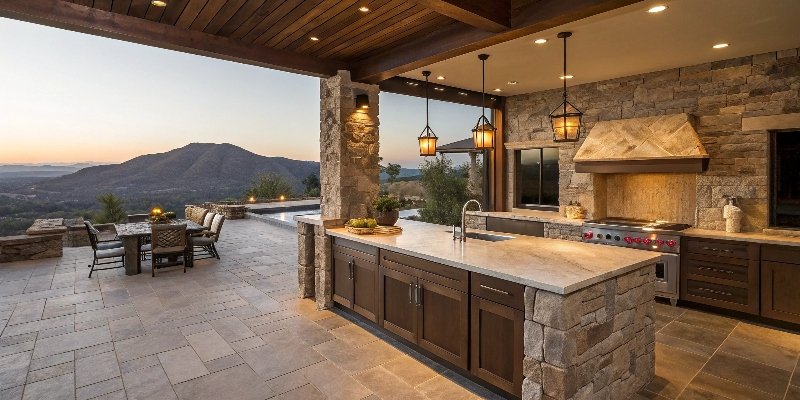
This is a subtle but important distinction I make with my clients. While all stone is fundamentally fire-resistant, the term "stone" covers a wide range of products. Natural stones like granite have no additives, so their fire resistance is absolute. Engineered quartz, my specialty, is a composite material. The resin binder, while essential for its durability and non-porous qualities, is the determining factor in its fire rating. A higher resin content could potentially lower the rating from Class A to Class B. As an exporter, I've seen how Chinese manufacturers are constantly innovating to improve their products. Supported by government R&D incentives, many are working to reduce resin content or use more fire-resistant formulas to ensure a solid Class A rating. This commitment to innovation ensures we can confidently offer products that meet the highest safety standards required by demanding markets and discerning clients.
Fire Rating Comparison: Stone Types
Let's look at how different types of stone stack up in terms of fire safety.
| Stone Type | Composition | Typical Fire Rating |
|---|---|---|
| Engineered Quartz | ~93% Quartz, ~7% Resin | Class A |
| Granite | 100% Natural Igneous Rock | Non-Combustible (Highest Rating) |
| Marble | 100% Natural Metamorphic Rock | Non-Combustible (Highest Rating) |
| Soapstone | 100% Natural Metamorphic Rock | Non-Combustible (Highest Rating) |
Conclusion
In summary, quartz stone slabs offer excellent fire resistance, usually earning a Class A rating. This makes them a durable, stylish, and safe choice for any modern construction project.