
Choosing the right surface material is a big decision. A wrong choice can lead to costly replacements and project delays. I'll explain what acrylic solid surface is to help you decide.
Acrylic solid surface is a man-made composite material made from acrylic resins and natural minerals. It is completely non-porous, durable, and can be joined seamlessly, making it ideal for countertops, wall panels, and custom designs where hygiene and appearance are critical.
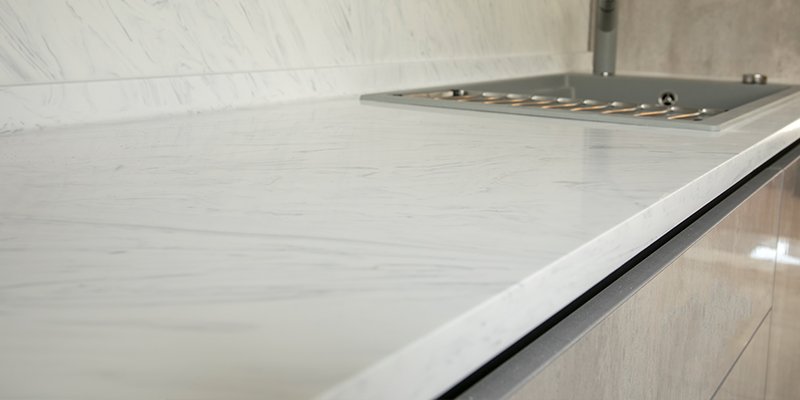
Now that you have a basic idea, you probably have more questions. You might hear terms like 'acrylic surface' or 'solid surface' being used, and it can be confusing. It is important to know the difference so you can speak to suppliers with confidence. Let's break down the details so you can make the best choice for your projects and clients. Understanding these specifics is key to sourcing materials effectively.
What does acrylic solid surface mean?
Are you unclear on what "acrylic solid surface" truly means for your project? This confusion can lead to missed opportunities for better quality materials that perfectly fit your requirements.
Acrylic solid surface refers to a high-performance, non-porous material made from 100% acrylic resins and minerals. It is solid all the way through, repairable, and can be shaped with heat. This offers seamless designs, great hygiene, and lasting durability for any project.
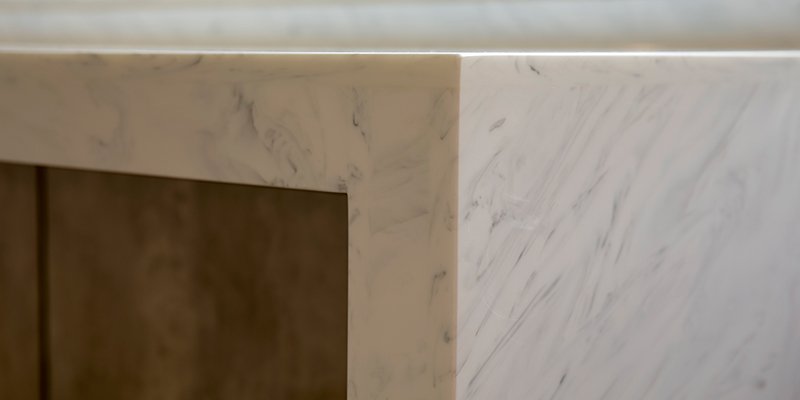
When we say acrylic solid surface, we are talking about a premium product. The "acrylic" part refers to the polymethyl methacrylate (PMMA) resins we use. This is a high-grade polymer that gives the material its superior strength and durability. The "solid surface" part means the material is homogeneous. There are no layers. The color and pattern run all the way through the entire thickness of the sheet. I remember working with a procurement manager in America, let's call him Rajiv, who was sourcing for a large hospital project. He was very concerned about hygiene and the potential for bacteria to grow in the seams of countertops. When I showed him how our acrylic solid surface could be joined to create a single, seamless surface over 10 meters long, he immediately saw the benefit. The non-porous nature, a key requirement for healthcare, means nothing can penetrate the surface. This is why our material meets strict international hygiene standards, a focus for us as a Chinese exporter.
Key Composition and Properties
| Feature | Description | Benefit for Procurement Managers |
|---|---|---|
| Composition | 100% Acrylic Resin (PMMA) + Minerals (ATH) | Ensures top-tier quality, performance, and longevity. |
| Structure | Non-porous and Homogeneous | Prevents stain, moisture, and bacteria growth, lowering maintenance. |
| Fabrication | Seamless Joints & Thermoformable | Allows for creative, hygienic, and large-scale custom designs. |
| Maintenance | Repairable and Easy to Clean | Reduces long-term costs and maintains appearance over time. |
What is an acrylic surface?
Is an "acrylic surface" just another name for an acrylic solid surface? This common question can lead to sourcing the wrong product and facing unexpected quality issues down the line.
An "acrylic surface" is a broad term. It can refer to a true 100% acrylic solid surface, but it might also describe products with only an acrylic top coat or blends with other resins. For top quality, you must specify 100% acrylic solid surface.
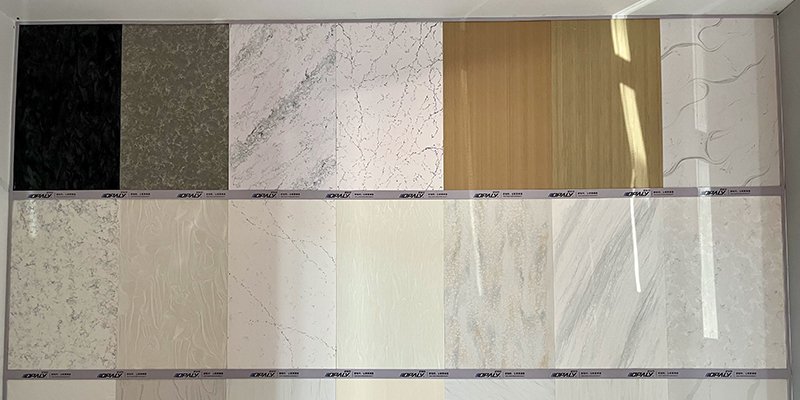
This is a very important distinction that I always clarify with my clients. As an Export Sales Manager, my job is to make sure you get exactly what you need. Some manufacturers, in an effort to lower prices, produce materials that are only part-acrylic. For example, they might blend acrylic resins with cheaper polyester resins. This material is still a "solid surface," but its performance is not the same. It is less durable and can become brittle. Another product sometimes called an "acrylic surface" might be a particleboard or MDF core with a thin acrylic layer on top. This is not a solid surface at all and lacks the repairability and seamlessness that make our product so valuable. When you are sourcing for a major commercial project, asking if the material is a 100% acrylic solid surface is critical. This ensures you get a product that will not yellow in the sun and can be bent with heat for custom designs, two things blended products cannot guarantee.
Differentiating Acrylic Surfaces
| Aspect | 100% Acrylic Solid Surface | Acrylic-Polyester Blend |
|---|---|---|
| Performance | Superior durability, UV resistance, and impact strength. | Good, but less durable and more brittle than 100% acrylic. |
| Fabrication | Easily thermoformed (bent with heat) for custom shapes. | Difficult or impossible to thermoform without cracking. |
| Color Stability | Excellent colorfastness; does not yellow with sun exposure. | Can yellow over time, especially in lighter colors. |
| Cost | Higher initial investment for premium quality. | Lower initial cost, but with performance trade-offs. |
What is a solid surface material?
You probably hear the term "solid surface" used a lot when looking at materials. But what does it really cover? Not understanding the broad definition can lead to purchasing a lower-quality product.
A solid surface is any man-made material that is homogenous—the same material all the way through. It is non-porous and can be repaired if scratched or chipped. While acrylic is the premium type, solid surfaces can also be made from polyester or other blended resins.
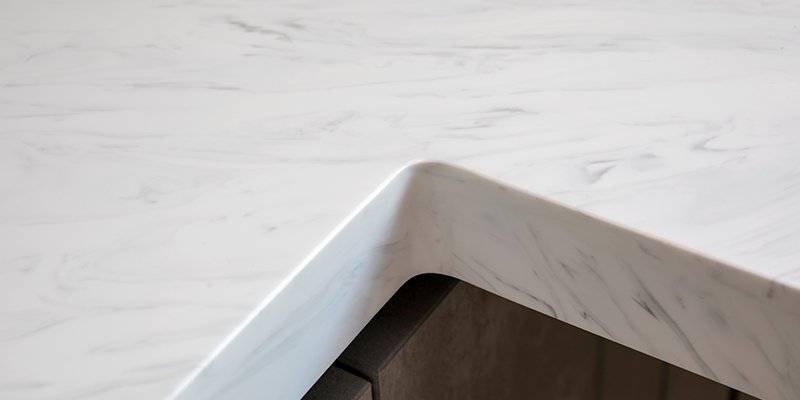
The term "solid surface" was created to describe a new category of materials that offered an advantage over laminates and natural stone. Here in my factory in China, I see how it’s made. We mix liquid resins with mineral fillers and pigments, then pour this slurry into molds to create solid, uniform sheets. This process is key. Because the material is solid through and through, it has no layers to peel or wear away like a laminate. If the surface gets a deep scratch or a chip, it can be sanded and polished to look brand new. This is impossible with laminates, where a scratch reveals the core material underneath. This inherent repairability is the main benefit of any solid surface material, whether it's 100% acrylic or a polyester blend. It’s what makes it a practical and long-lasting choice for busy places like commercial kitchens, hotels, and retail counters.
The "Solid" Advantage in Manufacturing
| Material | "Solid" Nature | Repairability | Porosity |
|---|---|---|---|
| Solid Surface | Yes, homogeneous composition. | High (can be easily sanded and repaired). | Non-Porous |
| Laminate | No, layered construction. | Low (surface breach exposes the core). | Low (surface only) |
| Natural Stone | Yes, but with natural fissures. | Medium (often needs professional repair). | Porous (requires sealing) |
| Quartz | No, resin-bound stone aggregate. | Low to Medium (chips can be hard to repair). | Non-Porous |
Is solid surface better than acrylic?
Thinking about whether "solid surface" is better than "acrylic" can be very confusing. This common mix-up can make you either overpay for a product or choose one that doesn't meet your needs.
This question is based on a misunderstanding. Acrylic is a type of solid surface—usually considered the highest quality one. The real question is how 100% acrylic solid surface compares to other types, like polyester blends. For durability and design flexibility, acrylic is superior.
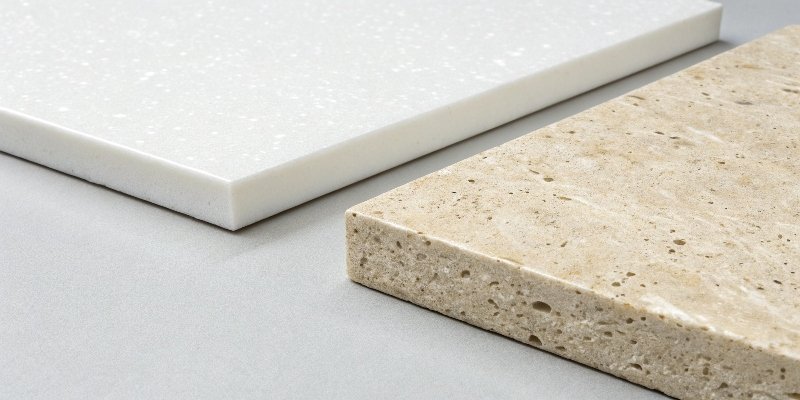
I often explain this to procurement managers with a simple analogy. Asking if solid surface is better than acrylic is like asking if a "car" is better than a "Toyota." Toyota is a specific brand of car. Similarly, "acrylic" is a specific, premium type of "solid surface." The solid surface category also includes products made from polyester resins or acrylic-polyester blends. While these are more budget-friendly, they don’t offer the same performance as 100% acrylic. For example, polyester solid surfaces are more brittle and can crack more easily upon impact. They also cannot be thermoformed, which limits your design possibilities. As a Chinese manufacturer focused on high-quality exports, we specialize in 100% acrylic solid surfaces because they provide the durability, hygiene, and design freedom that our global clients demand for high-value projects. Choosing 100% acrylic is an investment in long-term performance.
Performance Showdown: Acrylic vs. Other Solid Surfaces
| Feature | 100% Acrylic Solid Surface | Polyester Solid Surface | Recommendation for Procurement |
|---|---|---|---|
| Durability | High impact resistance, flexible, less brittle. | More brittle, can crack or chip more easily. | Choose acrylic for high-traffic, long-term projects. |
| Fabrication | Thermoformable (can be heated and bent into curves). | Not thermoformable; for flat applications only. | Choose acrylic for custom designs with curves. |
| Price | Higher initial cost. | Lower initial cost. | Choose polyester for simple, budget-focused projects. |
| UV Resistance | Excellent, non-yellowing, suitable for sunny areas. | Can discolor or yellow over time with UV exposure. | Choose acrylic for areas with high sun exposure. |
Conclusion
In summary, acrylic solid surface is a versatile, durable, and hygienic material. Understanding the key differences between types helps you source the best product for your project's needs and budget.

