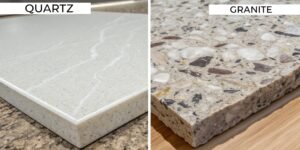
Choosing the right countertop material can feel overwhelming. A wrong decision can lead to costly replacements or endless maintenance. Quartz offers a modern solution with many benefits for your projects.
The primary advantages of quartz are its durability, low maintenance, and consistent appearance. It is non-porous and resists scratches and stains. Key disadvantages include lower heat resistance compared to natural stone and a higher cost for premium or complex designs.
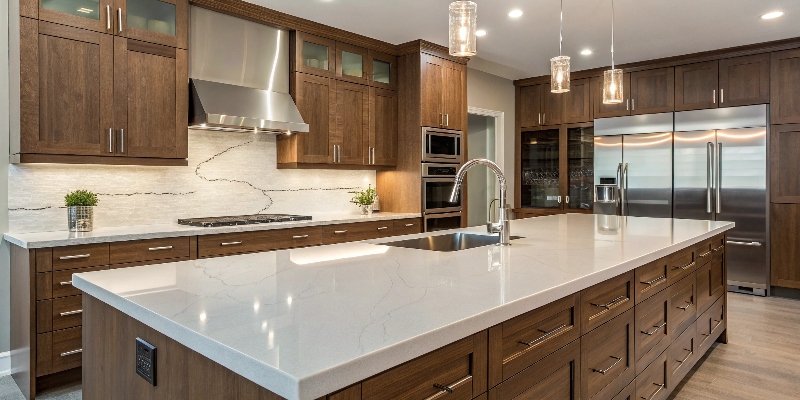
Choosing the right material is a big decision for any project. I have seen countless materials come and go since I started in this business back in 2012. My work involves helping procurement managers like yourself make the best choice, balancing aesthetics, performance, and budget. Let's break down the details so you can source the perfect slabs for your needs. This guide will give you a clear, honest view based on my years of experience exporting quartz slabs worldwide.
What are the advantages and disadvantages of quartz?
You need a worksurface that looks great and performs reliably for years. However, many beautiful materials either stain easily or require constant, tedious upkeep. Quartz solves many of these problems effectively.
The main advantages are its incredible durability, non-porous surface that resists stains, and consistent appearance. The key disadvantages are its lower heat resistance compared to natural stone and a higher upfront cost for some premium designs.
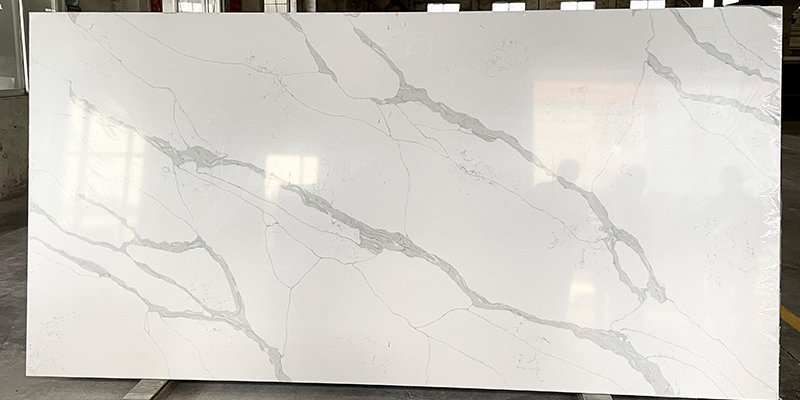
When I talk to clients, especially experienced procurement managers, the conversation always turns to long-term value. Quartz excels here. Its durability comes from its composition—about 90% ground quartz combined with resins and pigments. This makes it incredibly hard and resistant to scratches and chips from daily use. The non-porous surface is another huge selling point. You don't need to seal it, ever. This saves time and money on maintenance, a crucial factor for large-scale residential or commercial projects. However, it's not indestructible. The primary drawback is its sensitivity to high heat. The resin used in its construction can be damaged by direct contact with hot pots and pans. Cost is another factor; while standard designs are competitive, intricate, high-end patterns can be a significant investment.
A Quick Comparison: Pros vs. Cons
| Feature | Advantage (Pro) | Disadvantage (Con) |
|---|---|---|
| Durability | Highly resistant to scratches and chips. | Can be damaged by extreme force. |
| Maintenance | Non-porous, no sealing required, easy to clean. | Harsh chemicals can damage the surface. |
| Appearance | Uniform color and pattern for a consistent look. | Seams can be more visible on solid colors. |
| Heat Resistance | Moderately resistant to heat. | Direct contact with hot pans can cause damage. |
| Cost | Competitive pricing on many standard options. | Premium designs can be more expensive. |
What are the pros and cons of quartz vs granite?
Granite has been a popular choice for decades, but is it the best option? Its natural variations can be a major gamble, especially for large projects requiring a uniform look.
Quartz offers superior consistency in color and pattern and is non-porous, so it never needs sealing. Granite is more heat-resistant and has a unique, natural look. Granite requires regular sealing and maintenance, while quartz is very low-maintenance.
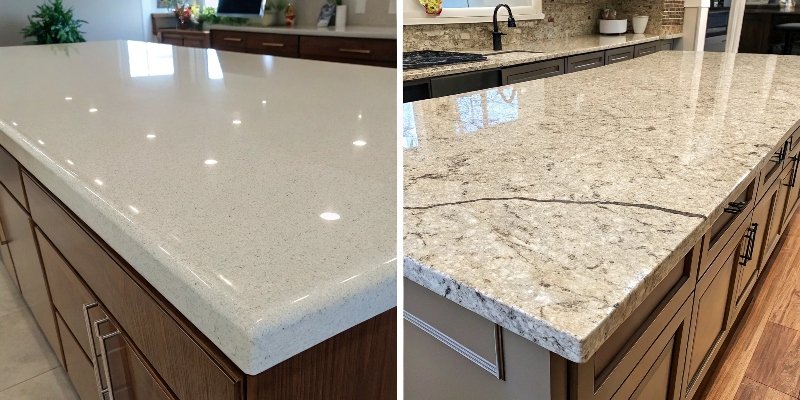
In my experience, the choice between quartz and granite often comes down to one thing: predictability versus uniqueness. Granite is a natural stone, which means every slab is one-of-a-kind. This can be beautiful, but it's a challenge for procurement. I worked with a client on a large hotel project who chose granite, and they struggled for weeks to find enough slabs from the same quarry that matched. That delay cost them time and money. With quartz, this is never an issue. Because it's an engineered stone, we can guarantee a consistent pattern and color across hundreds of slabs. This is a huge advantage for projects where uniformity is key. Granite does win on heat resistance; you can place a hot pan on it without worry. But it is porous and must be sealed regularly to prevent stains. Quartz, being non-porous, offers much better stain resistance and easier daily care.
Feature Face-Off: Quartz vs. Granite
| Feature | Quartz | Granite |
|---|---|---|
| Appearance | Consistent, uniform pattern and color. | Unique, natural variations in every slab. |
| Durability | Highly resistant to scratches and stains. | Very hard, but can chip or crack. |
| Maintenance | Non-porous, no sealing needed. | Porous, requires regular sealing to prevent stains. |
| Heat Resistance | Good, but can be damaged by direct, high heat. | Excellent, can handle hot pans directly. |
| Cost | Varies, often competitive with mid-range granite. | Wide price range depending on rarity. |
What are the pros and cons of quartz vs marble?
Marble offers timeless luxury, but is it practical for modern spaces? Its soft and porous nature makes it extremely prone to scratches, etching, and stains, which is a major concern.
Quartz is much more durable and non-porous, making it highly resistant to stains and scratches that plague marble. Marble offers a unique, luxurious look but is soft and requires significant sealing and careful maintenance. Quartz provides a similar aesthetic with far better performance.
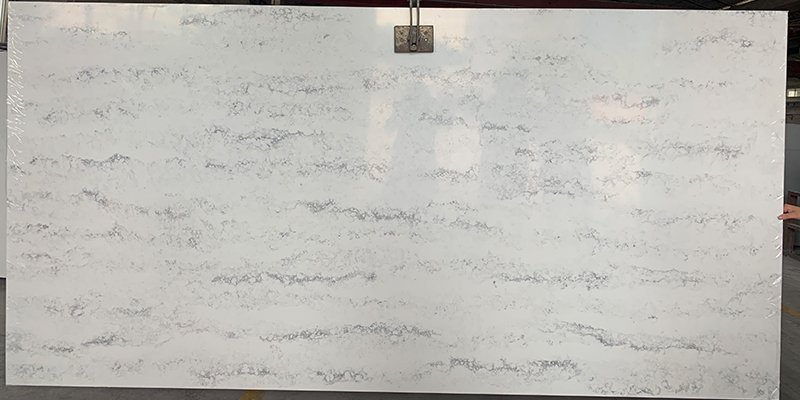
The quartz vs. marble discussion is all about beauty versus brawn. There is no denying the elegance of a natural marble slab. However, that beauty is very delicate. Marble is a soft, calcium-based stone, which means it can be easily scratched by knives or even a belt buckle. It's also very porous, so spills like wine, coffee, or lemon juice can cause permanent stains or etching if not wiped up immediately. For a busy kitchen or a high-traffic commercial space, this is a significant drawback. A few years ago, a hospitality client wanted the classic Calacatta marble look for hundreds of hotel bathrooms but was terrified of the maintenance costs. We supplied them with a Calacatta-look quartz. They got the exact aesthetic they wanted, but with a surface that could withstand the demands of a hotel environment. This is where quartz truly shines—it offers the look of high-end natural stone without the practical downsides.
The Practicality Test: Quartz vs. Marble
| Feature | Quartz | Marble |
|---|---|---|
| Durability | Extremely hard, resists scratches and stains. | Soft, prone to scratching, etching, and chipping. |
| Maintenance | Non-porous, easy to clean, no sealing needed. | Porous, requires frequent sealing and careful cleaning. |
| Appearance | Can mimic marble with consistent veining. | Natural, unique, and luxurious veining. |
| Stain Resistance | Excellent. | Poor; easily stained by acidic foods and liquids. |
| Application | Ideal for kitchens, bathrooms, high-traffic areas. | Better suited for low-traffic areas or decorative use. |
What are the disadvantages of quartz kitchen platform?
Quartz seems almost perfect, but are there hidden downsides to consider? Overlooking its limitations can lead to accidental damage, extra costs, and regret after installation. Let's look honestly at the drawbacks.
The primary disadvantages are its limited heat resistance, which means you cannot place hot pans directly on it. It can also be more expensive than some materials, and it is not recommended for outdoor use due to potential UV damage.
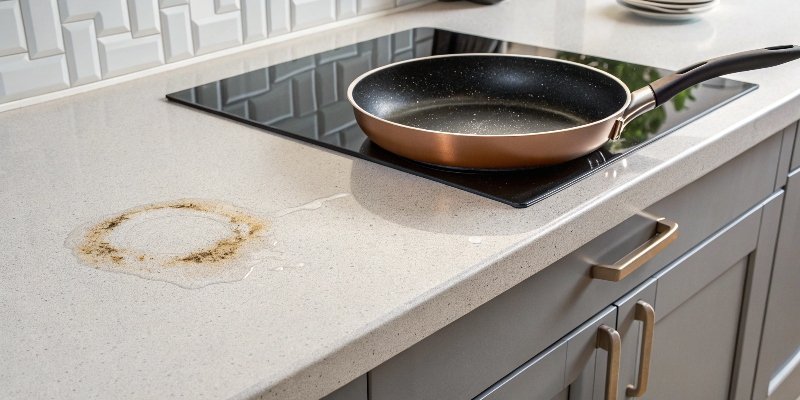
While I am a huge advocate for quartz, it's crucial to be aware of its weaknesses. The most critical one is heat resistance. The resins that bind the quartz particles can discolor or warp if exposed to sudden high temperatures from a hot pot or pan. I always tell my clients to use trivets and hot pads—it's a simple habit that protects a significant investment. Another point to consider is cost. While base-level quartz is affordable, the highly sought-after designs that mimic marble or have intricate patterns can be as expensive as high-end natural stone. As an exporter from China, I see how trade policies and currency fluctuations can impact the final price for my overseas buyers like Rajiv in Mexico. Finally, quartz is not meant for the outdoors. Prolonged exposure to direct sunlight can cause the colors to fade over time. It is an fantastic indoor material, but for an outdoor kitchen, another option would be better.
Potential Issues to Consider
| Disadvantage | Description | How to Mitigate |
|---|---|---|
| Heat Sensitivity | The resin can be damaged by direct high heat, causing discoloration or warping. | Always use trivets or hot pads for pots and pans. |
| Higher Cost | Premium designs and complex patterns can be more expensive than granite or other options. | Explore different tiers of quartz; standard colors are very cost-effective. |
| UV Sensitivity | Not suitable for outdoor use as pigments can fade under direct, prolonged sunlight. | Use only for indoor applications. Choose other materials for outdoor kitchens. |
| Visible Seams | Seams on solid, single-color slabs can be more noticeable than on patterned slabs. | Hire a skilled fabricator who can minimize and disguise seams effectively. |
Conclusion
Quartz offers excellent durability, low maintenance, and design consistency. Just be mindful of its heat limits and premium costs. It is a fantastic choice for most indoor projects.